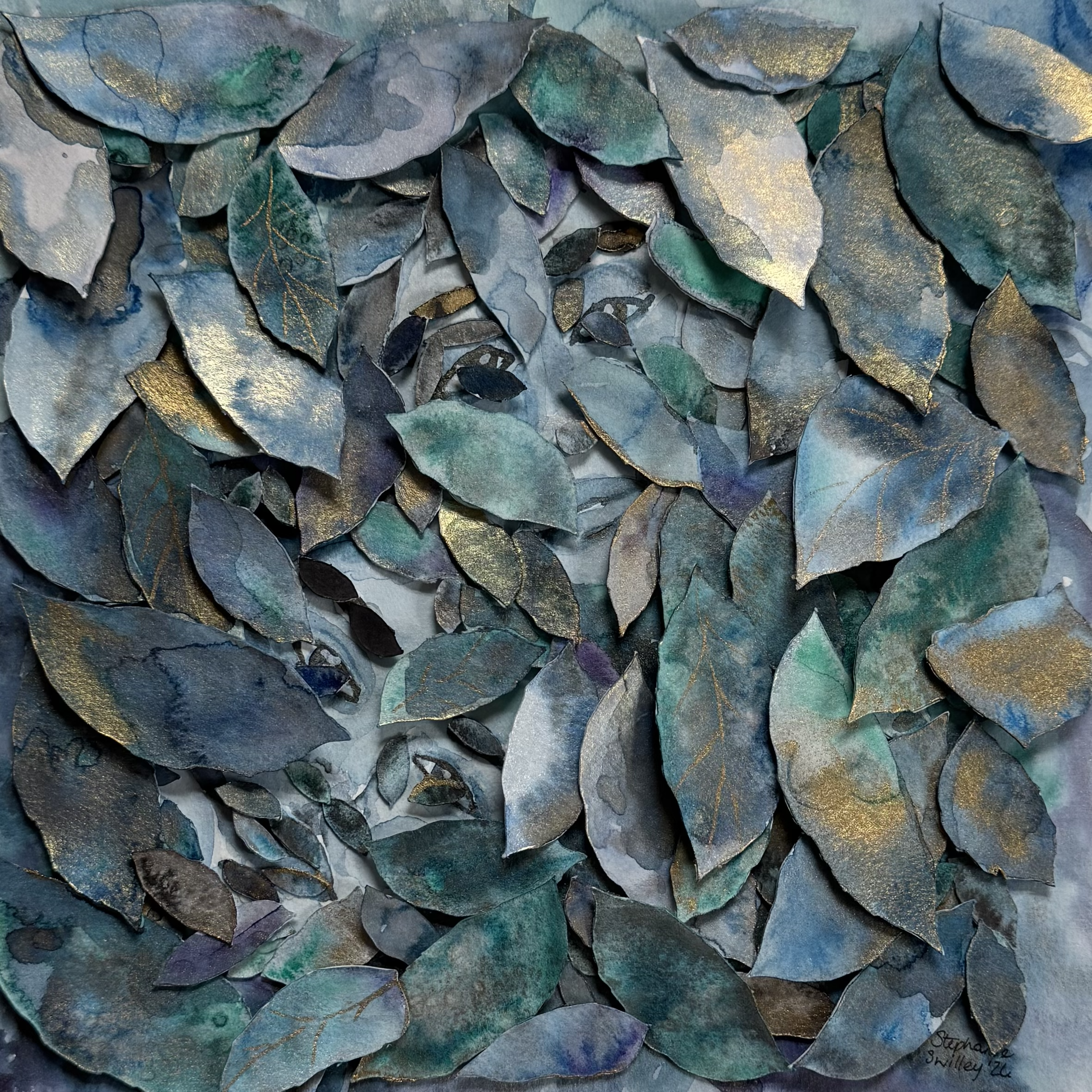
Collective Humanity
Collective Humanity begins with the idea that we are all made of each other.
None of us exists in a vacuum. We might each be the center of our own little world, but the same can be said for every other person out there. When we come together—working together, protecting each other, and honoring each person's place in the world—the result can be beautiful.
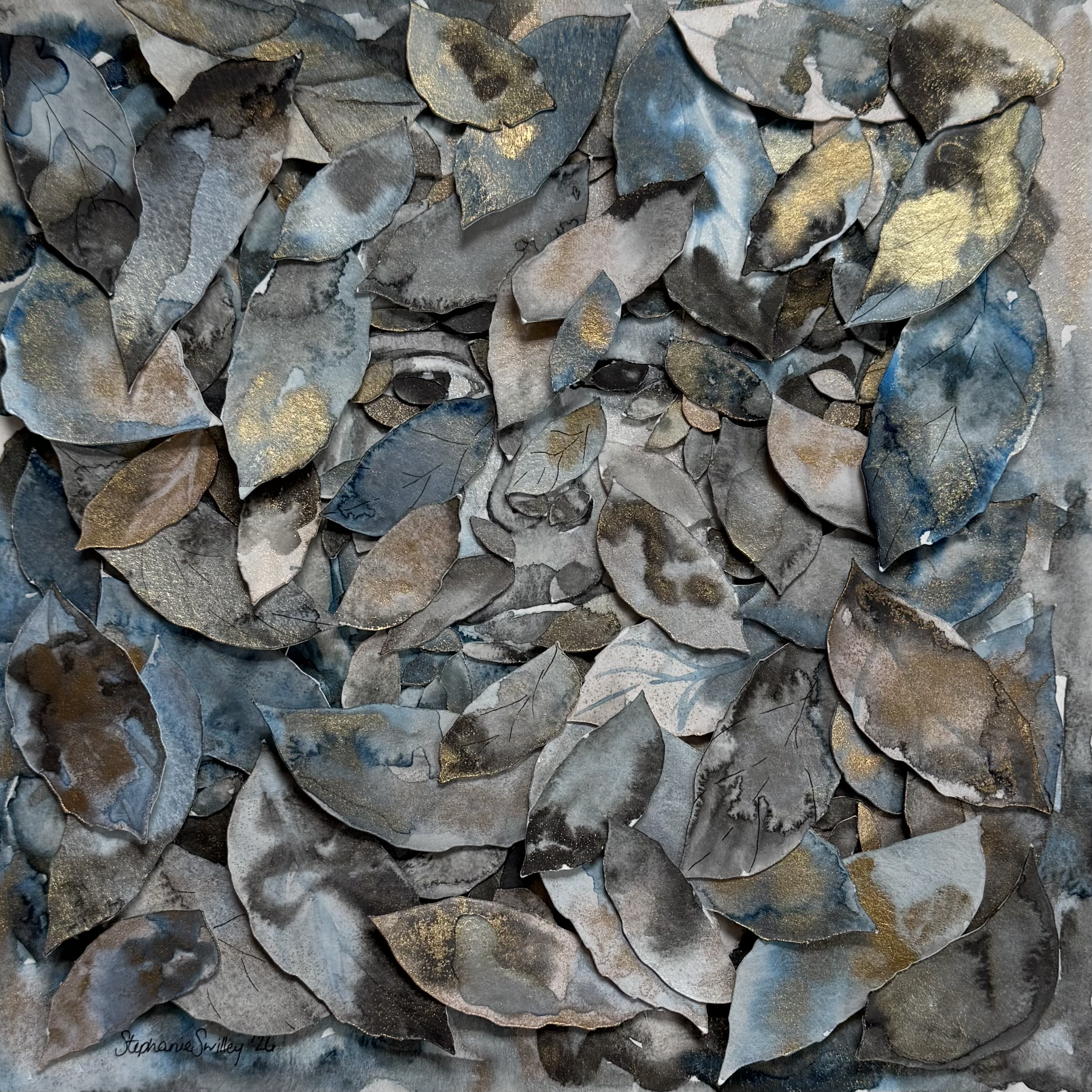
Collective Behavior
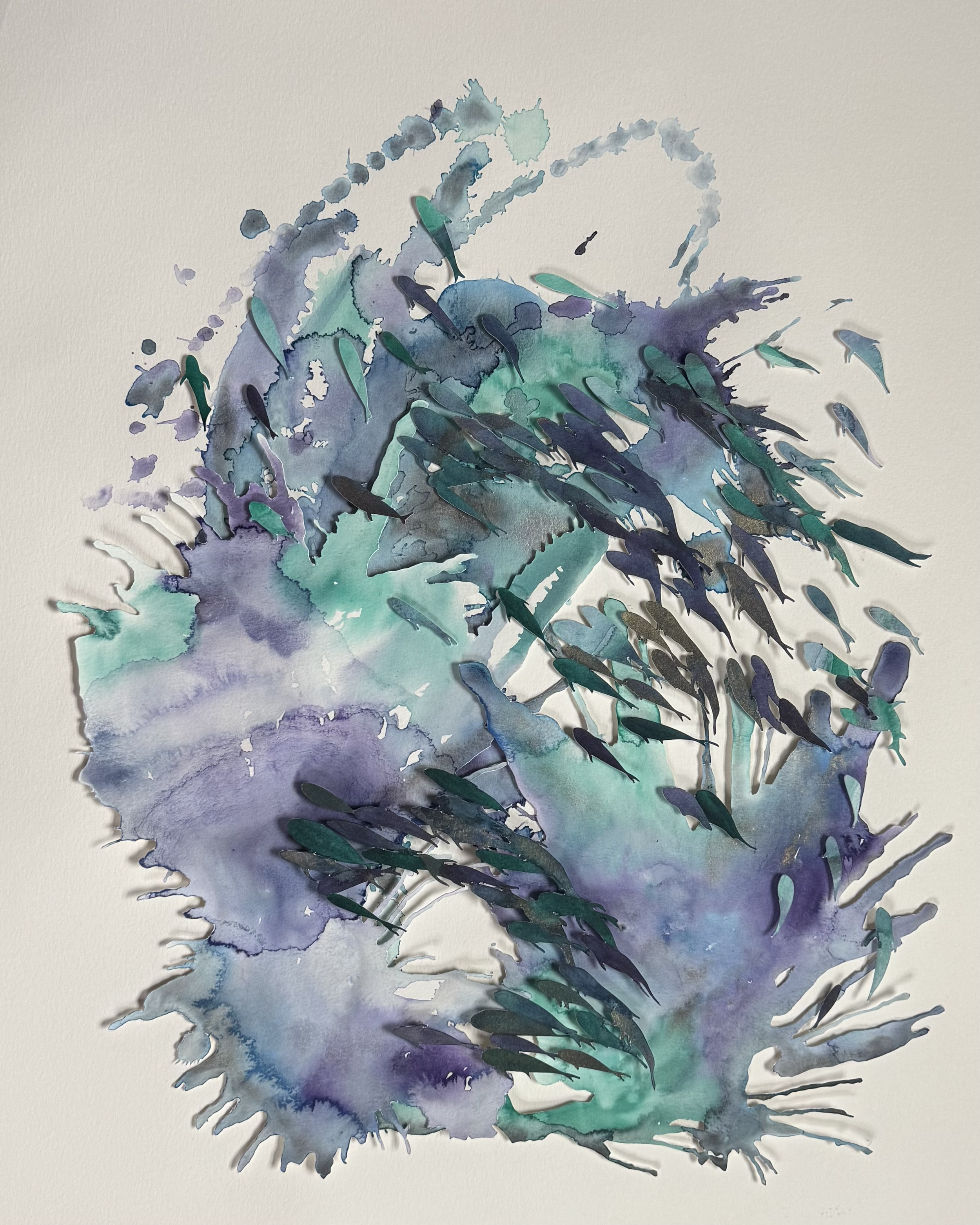
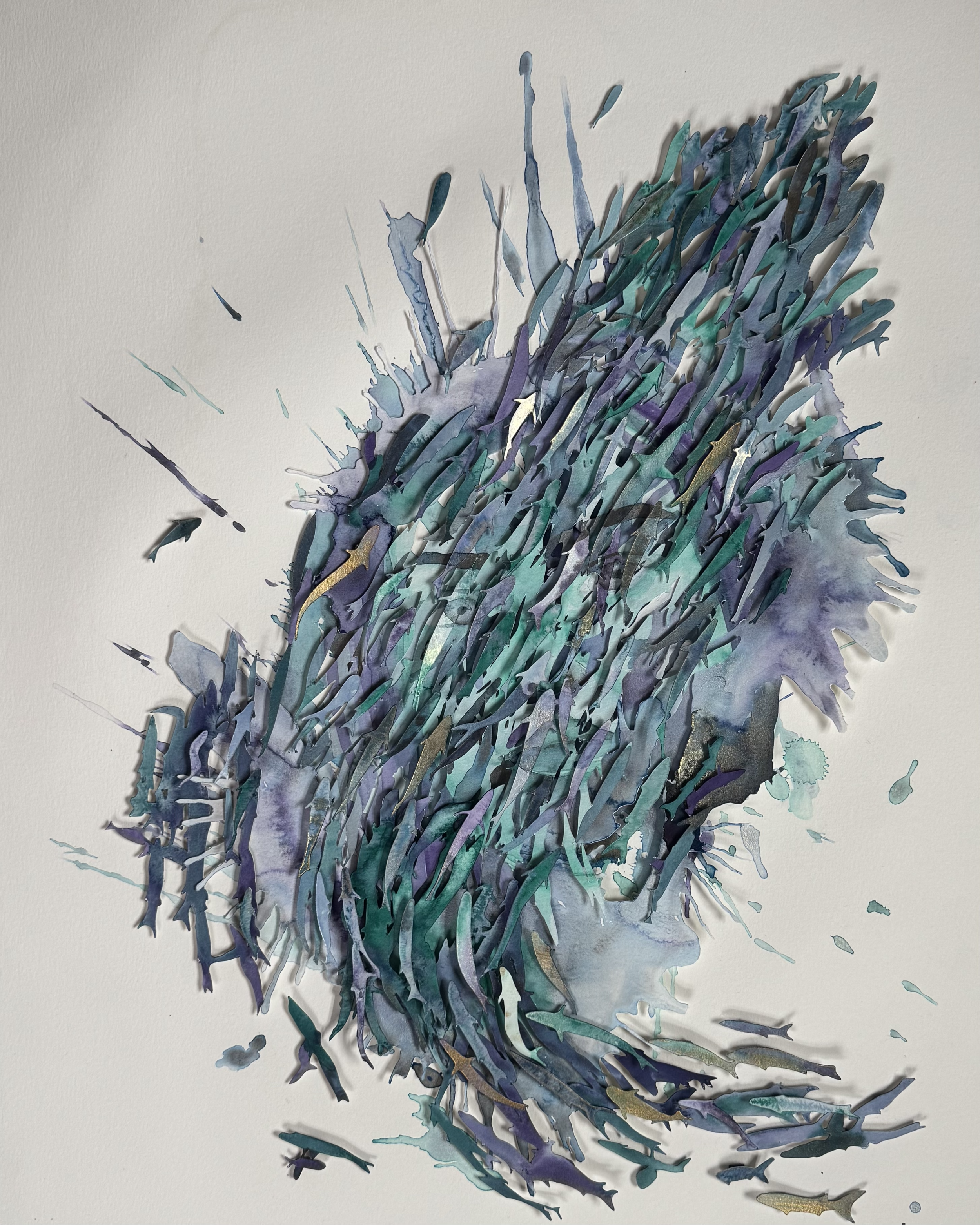
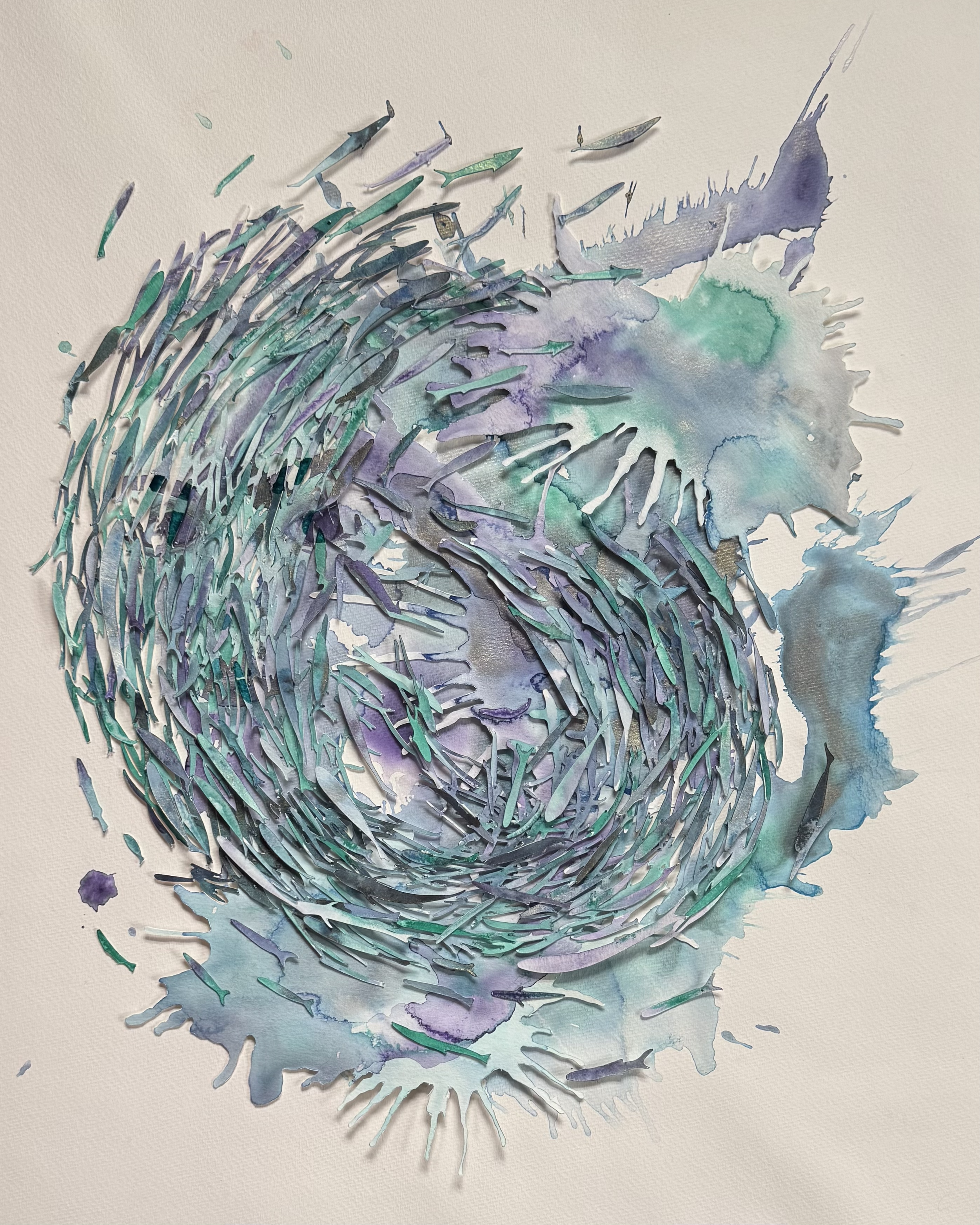
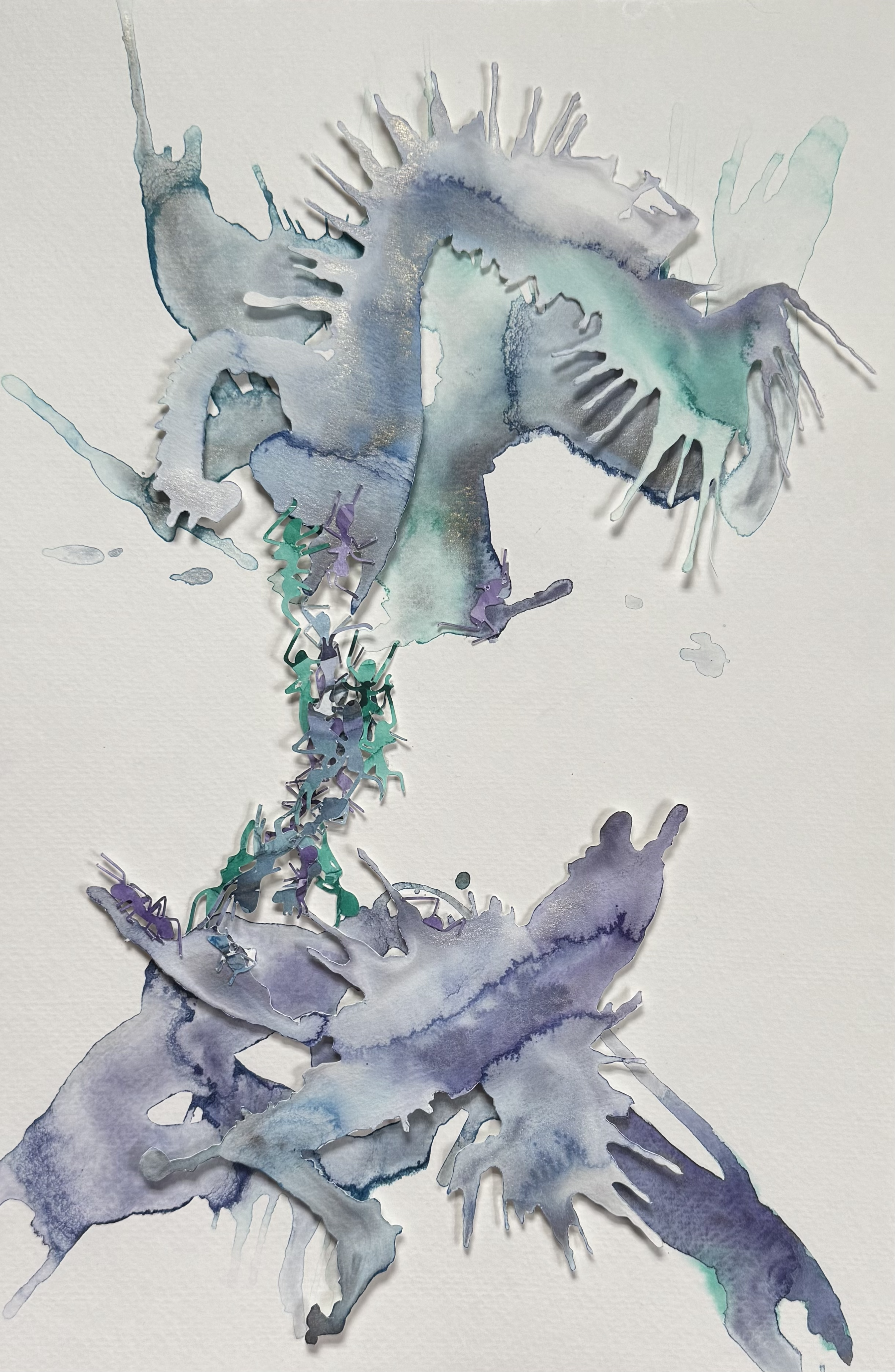
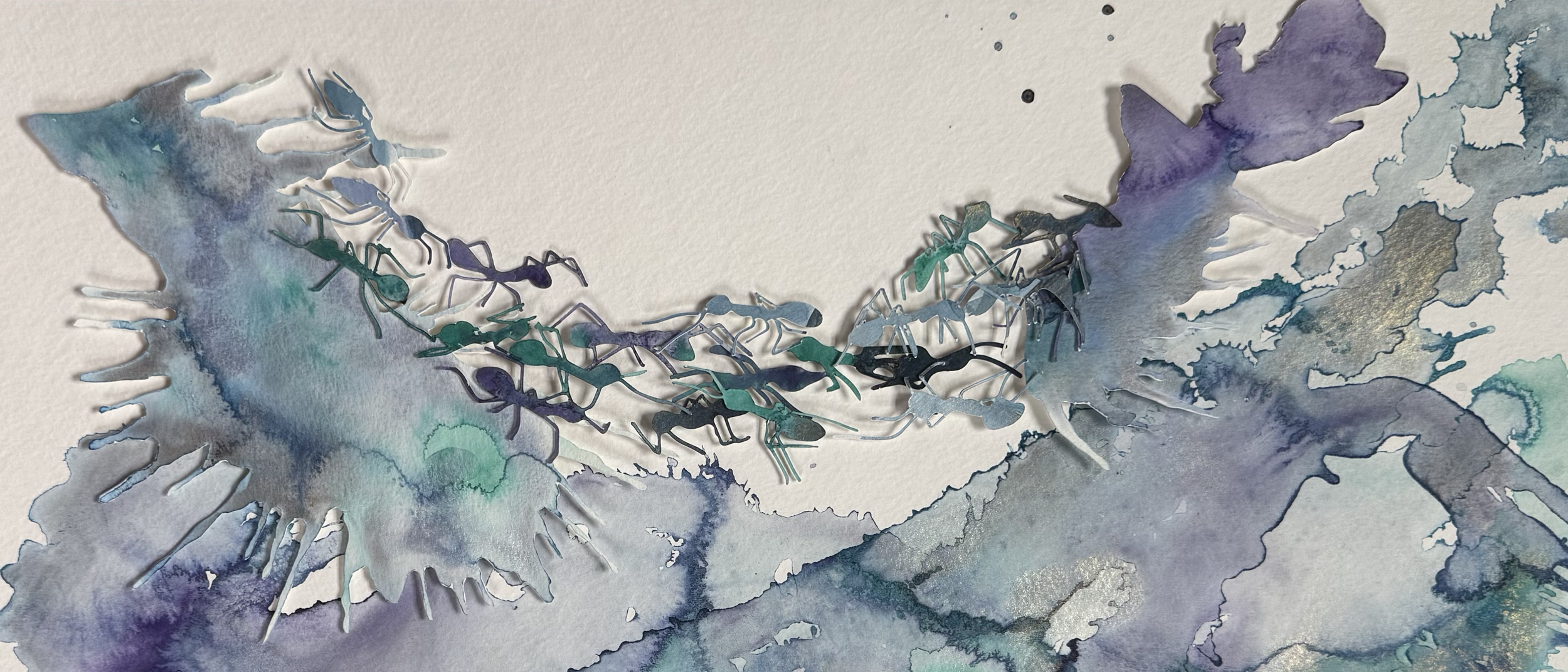
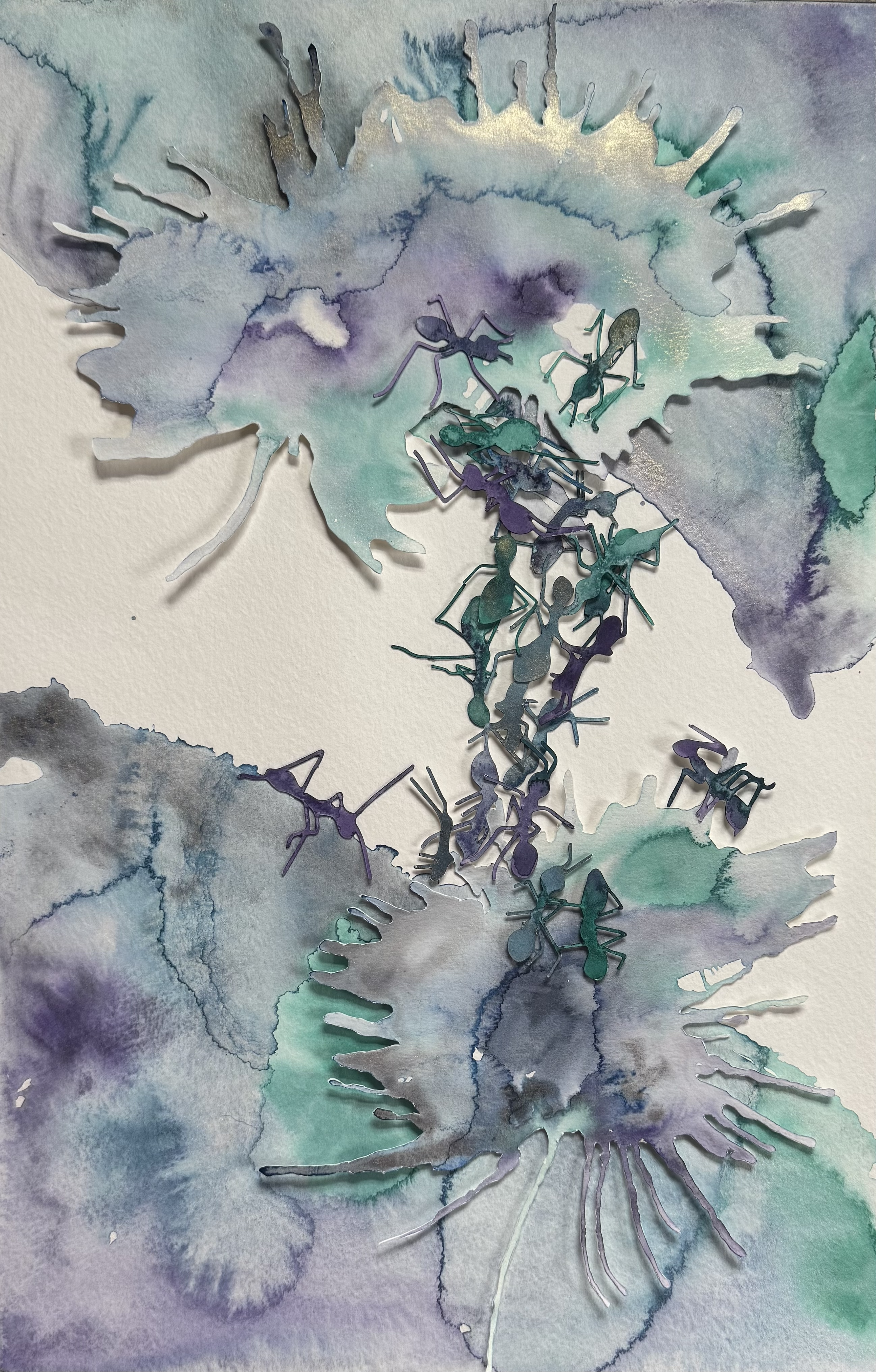
Flocking birds. Shoaling fish. Ant colonies.
Beautiful and mesmerizing to watch, these examples of collective behavior also show us what's possible when individuals work together for the good of all.


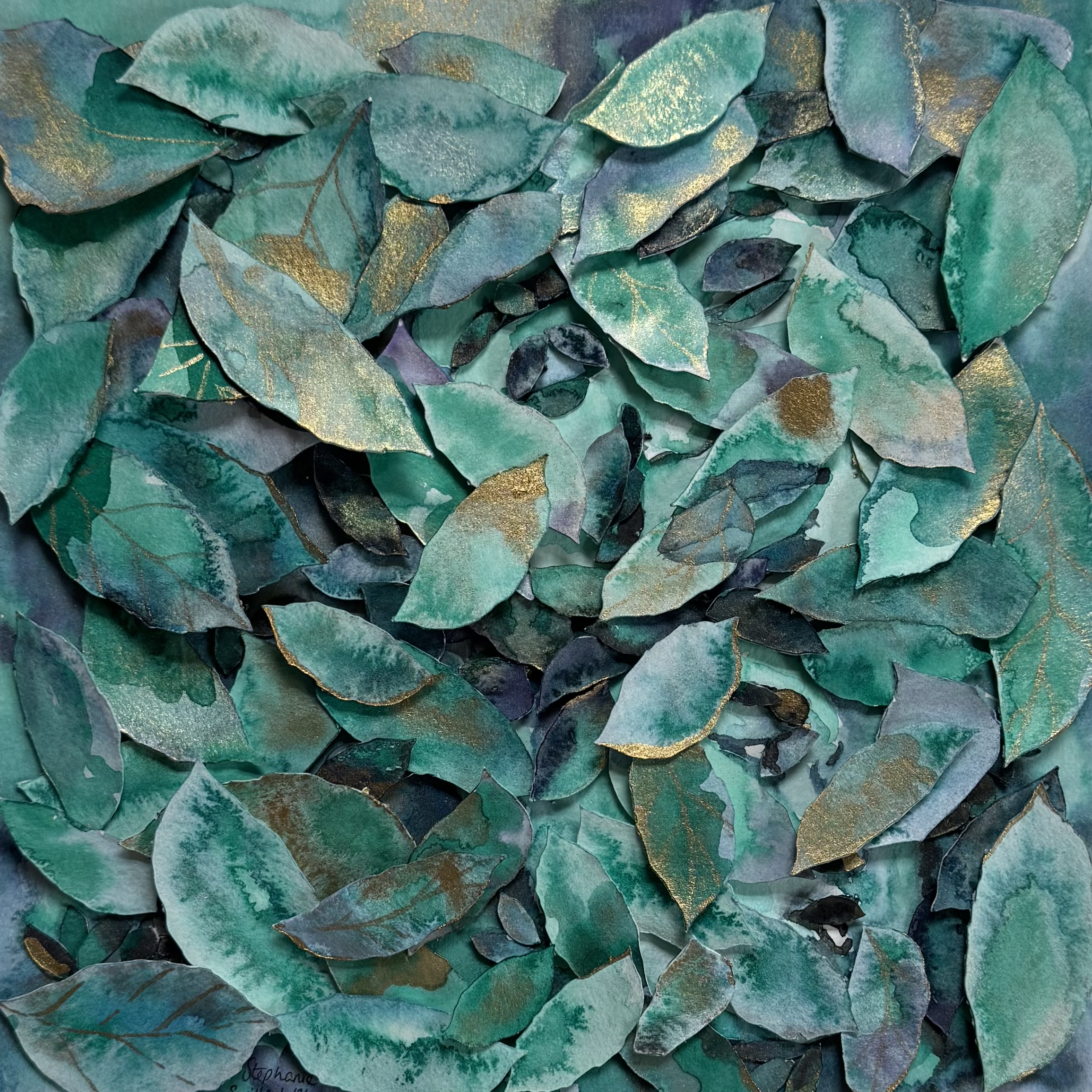
Mycorrhizal
Our communities no longer consist simply of those who live closest to us. They stretch across borders, languages, cultures, beliefs, identities, and experiences.
Mycorrhizal considers what it means to care beyond the boundaries we've drawn between ourselves and others and what becomes possible when we build systems of love and support that extend beyond those who are most like us.
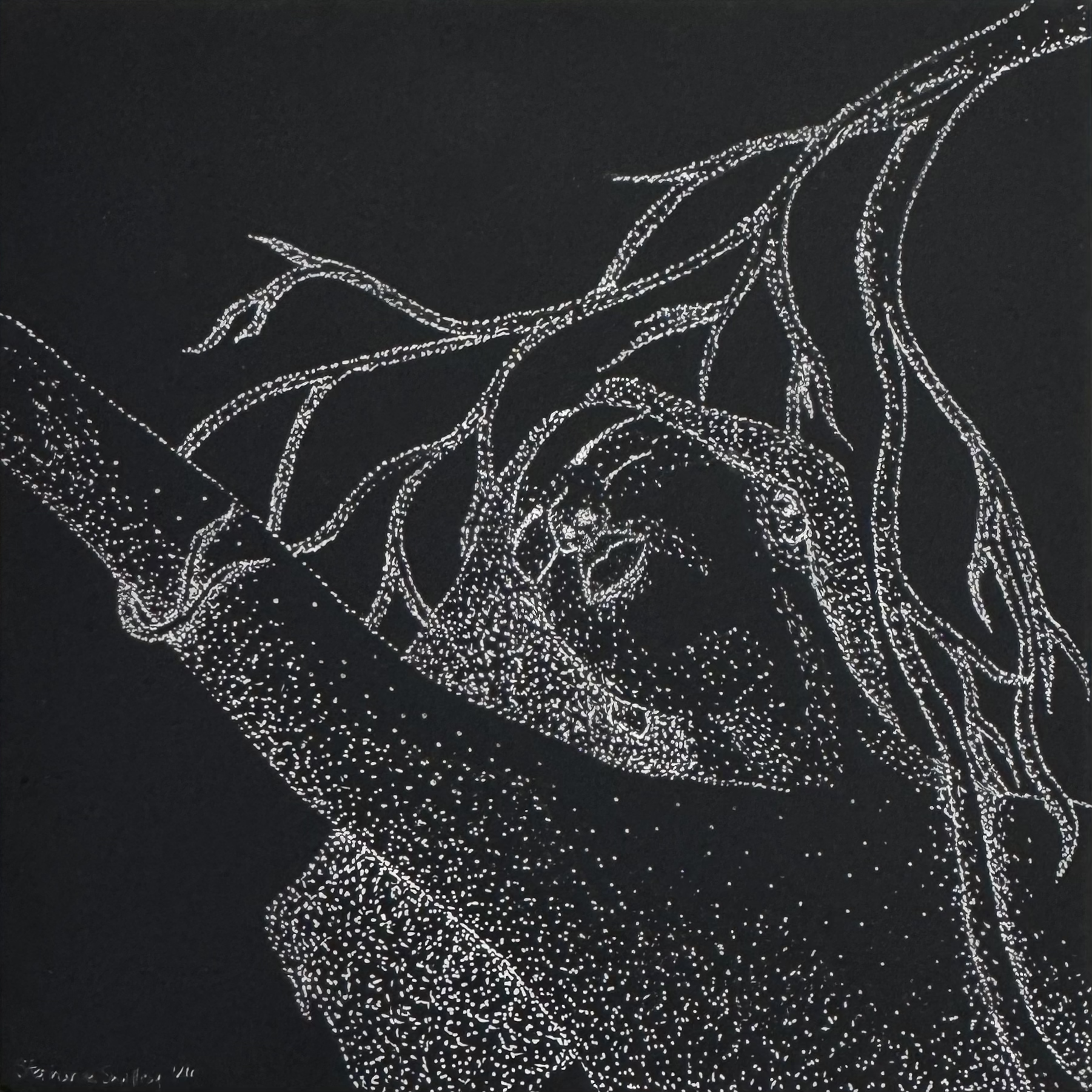
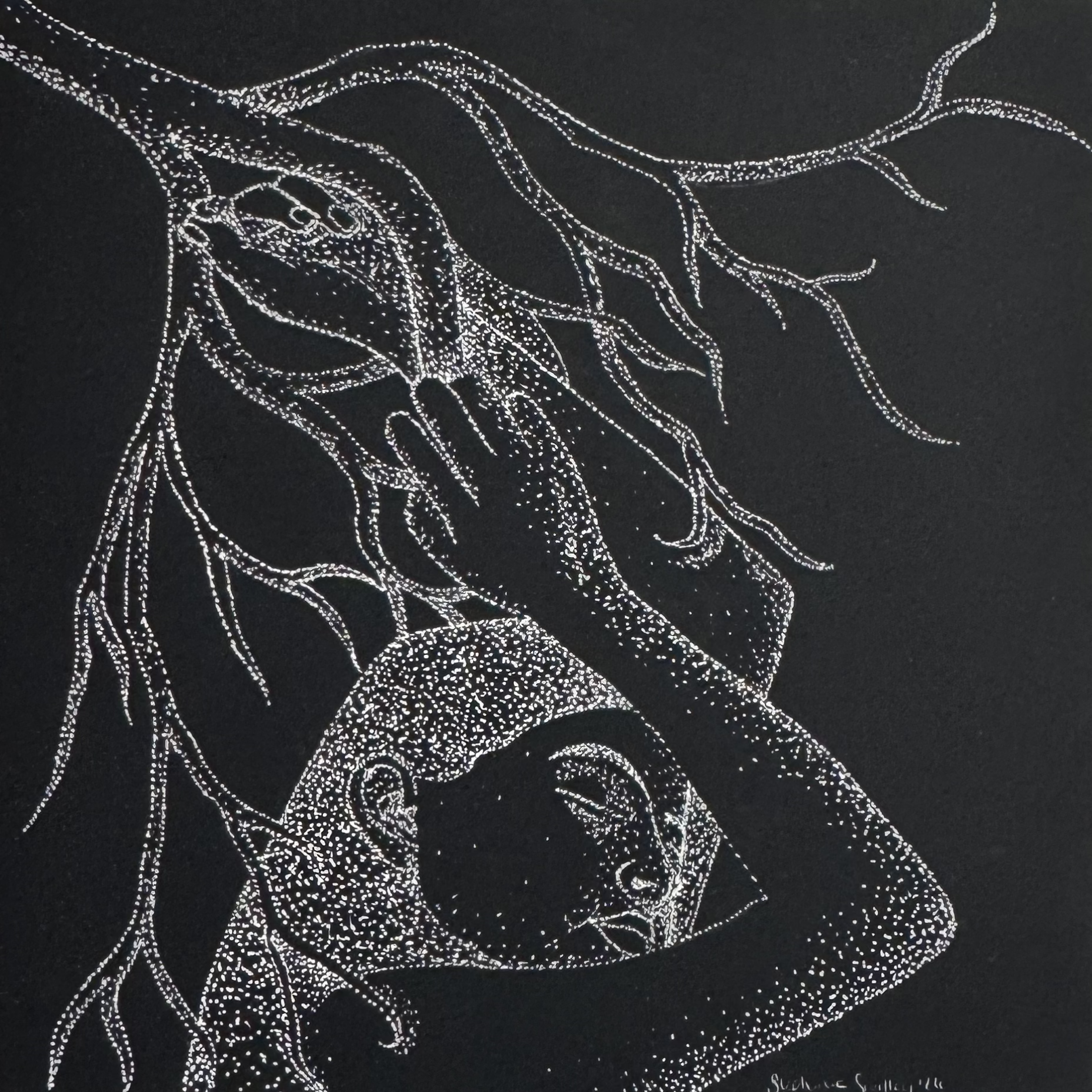
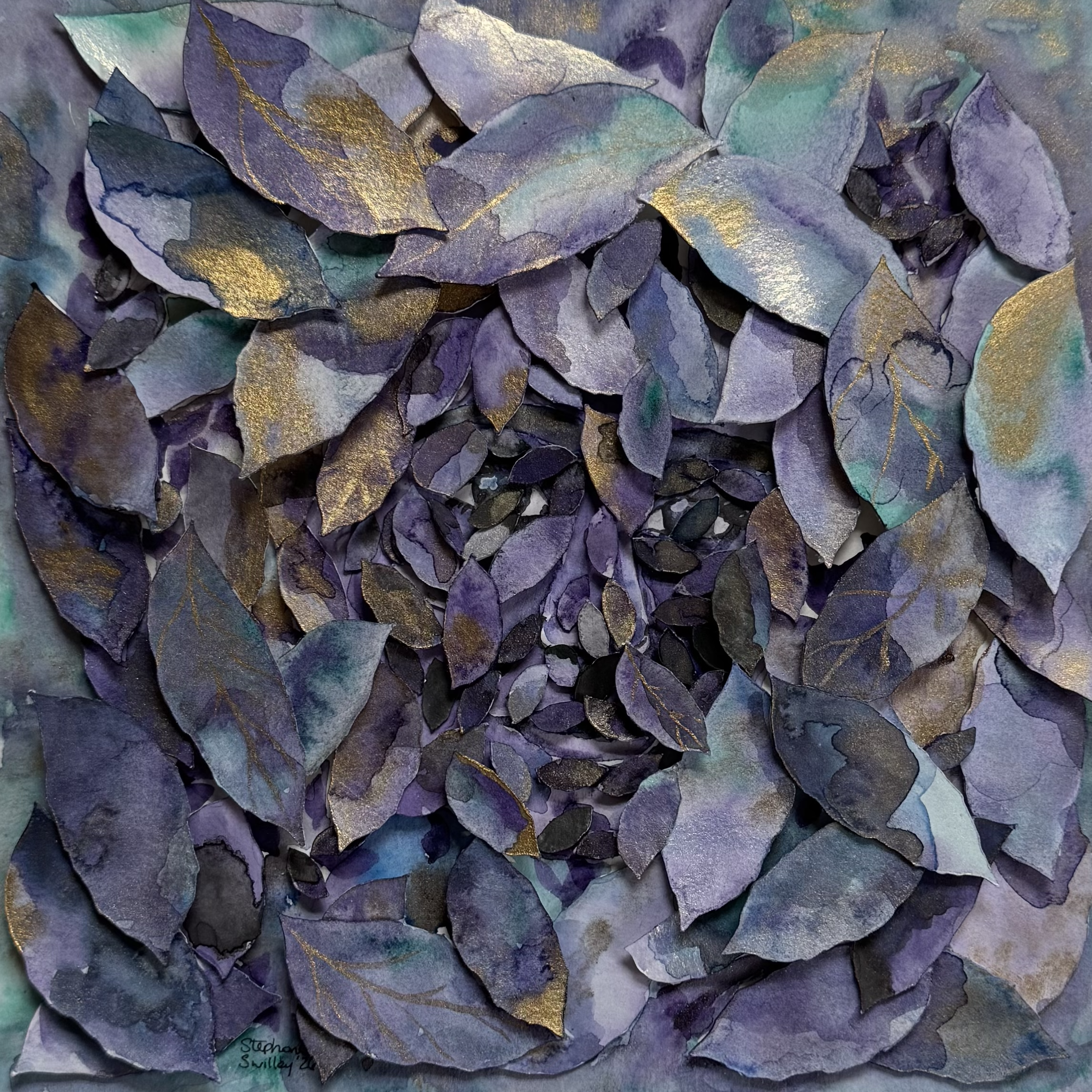
Canopy
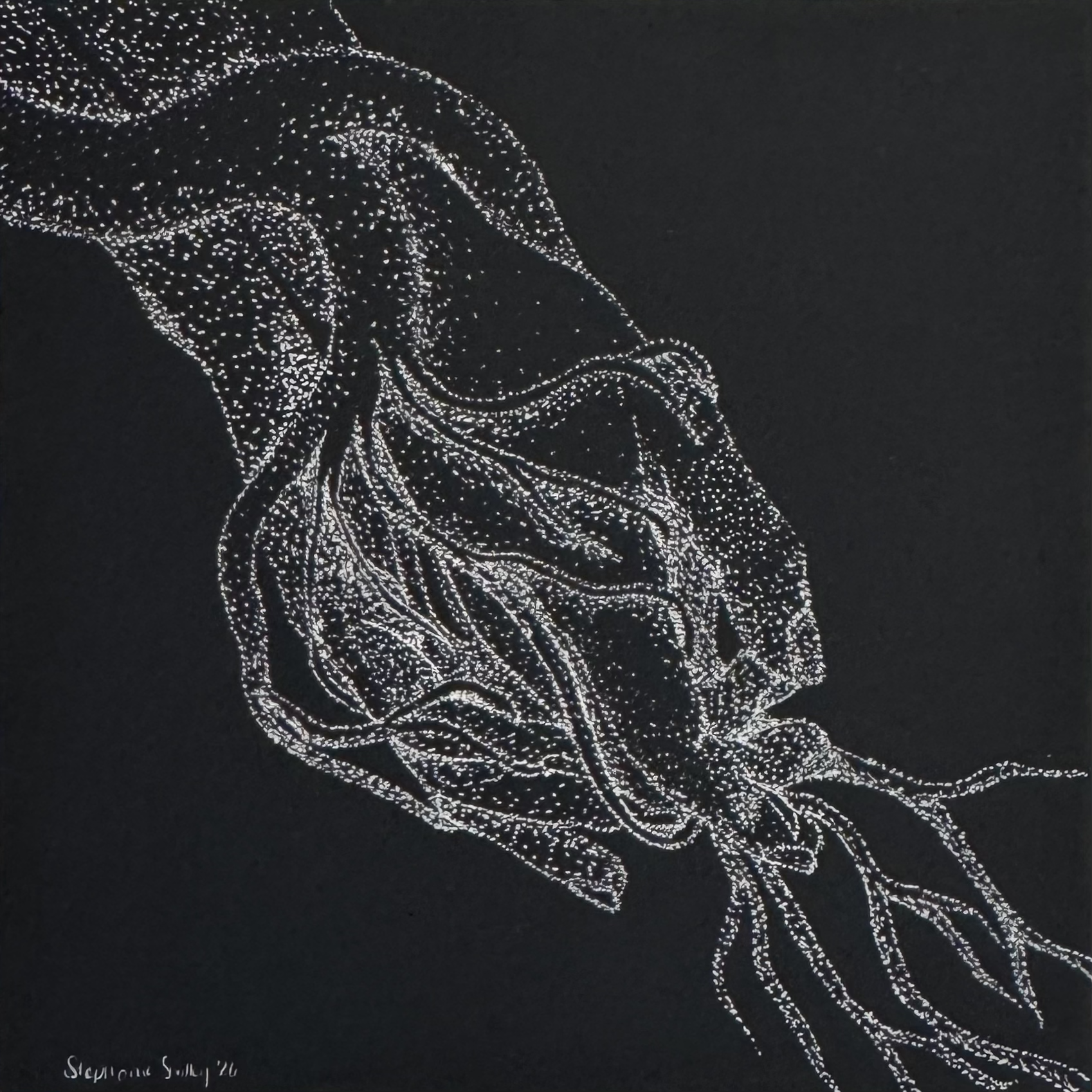
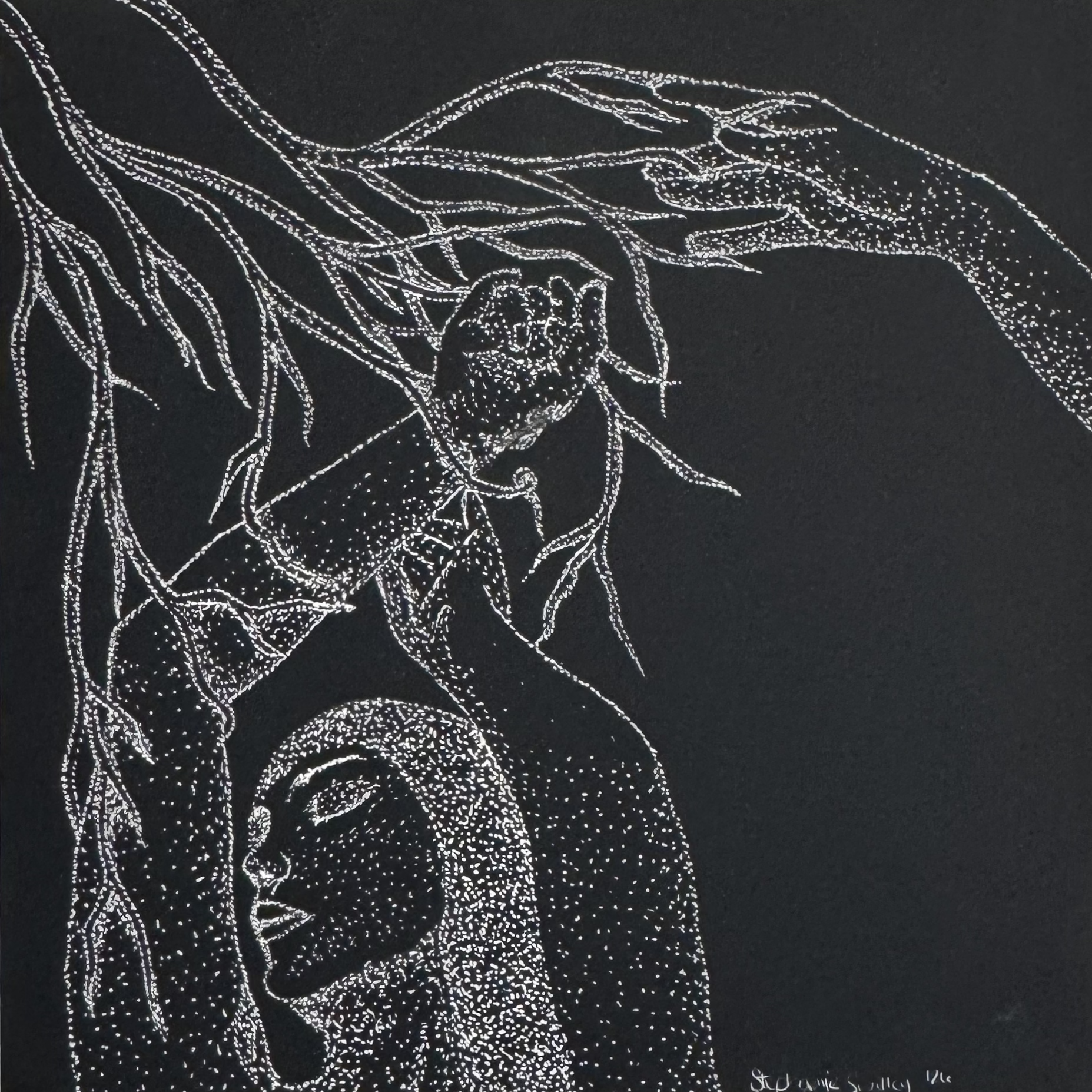
One leaf cannot become a full canopy for the forest.
Neither can one person be everything, for everyone, all the time.
Canopy considers community as a place where we can take turns holding and being held—where each of us can fall away and rest when needed, knowing others are still providing shade.
A starling by itself is at risk. A tree planted in sterile soil will wither.
We are strongest together.